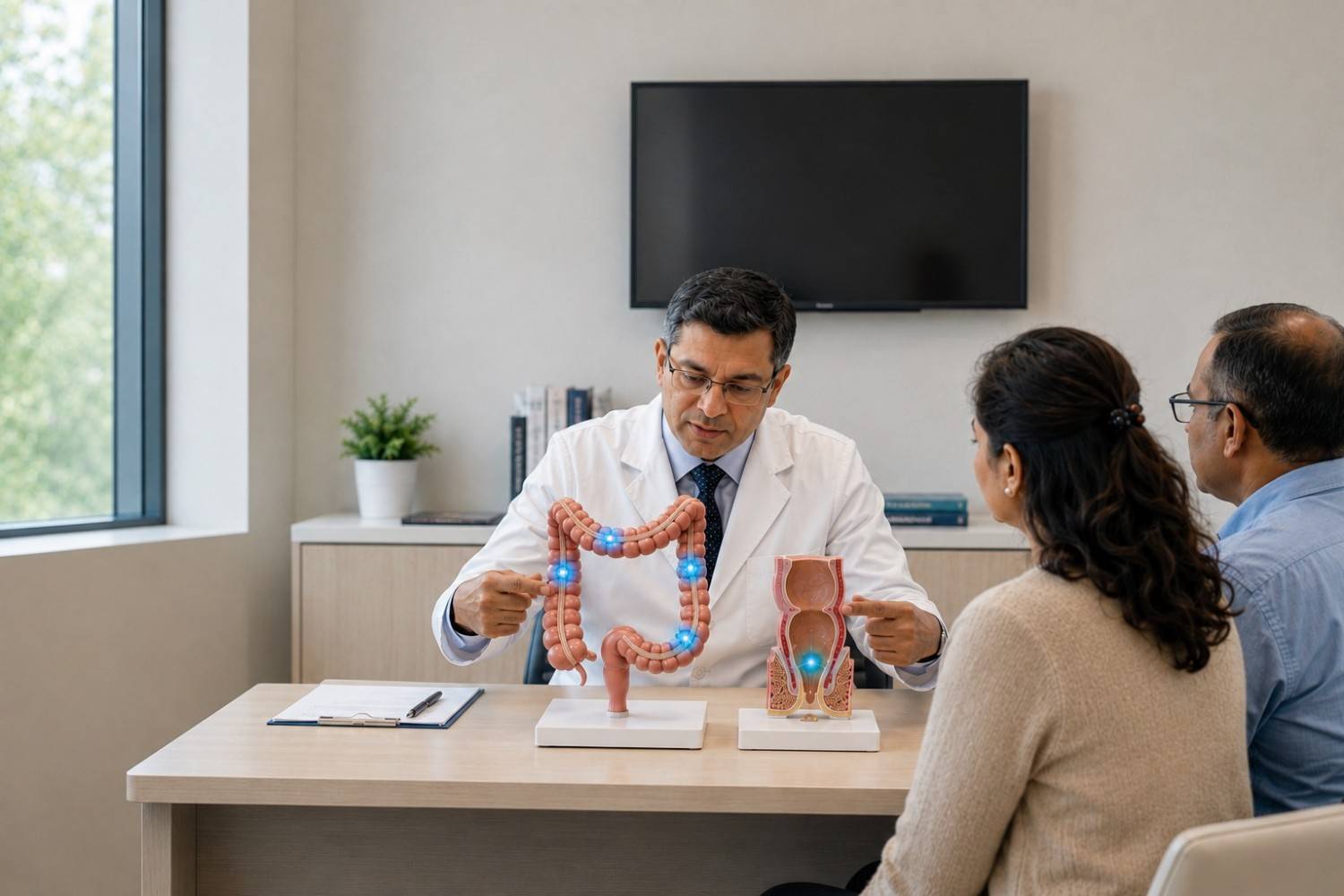
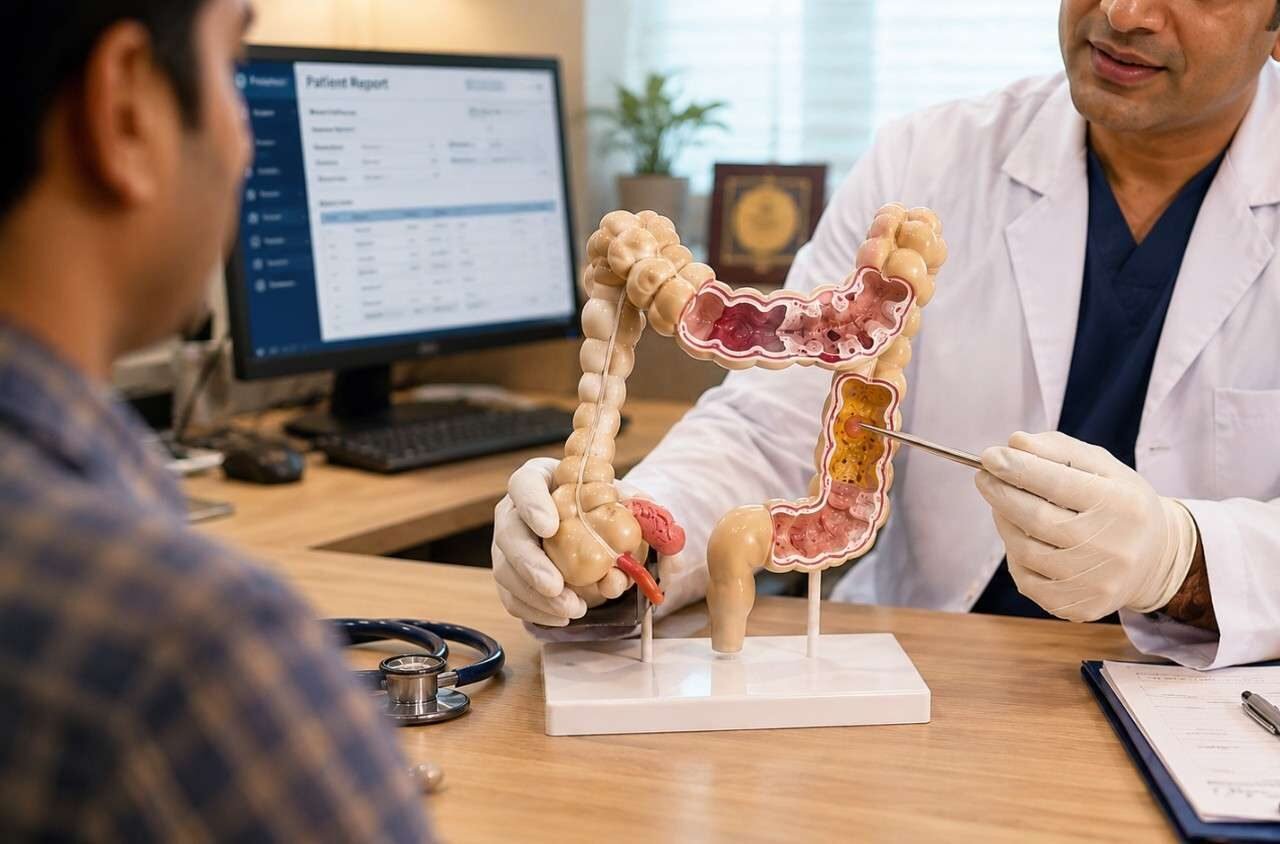

Colorectal cancer is one of the most common cancers affecting the digestive system. It develops in the colon or rectum, which together form the large intestine. While colorectal cancer can be a serious condition, early detection significantly improves the chances of successful treatment and long-term survival.
Many people ignore symptoms such as persistent changes in bowel habits or rectal bleeding, assuming they are caused by piles or digestive issues. However, these symptoms should never be overlooked. Understanding how colorectal cancer is diagnosed can help you seek timely medical care.
What Is Colorectal Cancer?
Colorectal cancer occurs when abnormal cells grow uncontrollably in the colon or rectum. In many cases, it begins as a small, non-cancerous growth called a polyp, and over time, some polyps may develop into cancer if left untreated. Early diagnosis allows these precancerous growths to be detected and removed before they become cancerous, which is why screening plays such an important role in prevention.
Symptoms That May Require Testing
Your doctor may recommend diagnostic tests if you experience any of the following symptoms:
- Persistent constipation or diarrhea
- Blood in the stool or rectal bleeding
- Narrow or ribbon-like stools
- Abdominal pain or cramping
- A feeling that the bowel does not empty completely
- Unexplained weight loss or fatigue caused by anemia
- Persistent bloating
These symptoms do not always indicate colorectal cancer, but they should be evaluated by a doctor if they continue for more than two weeks.
Who Should Get Screened?
Screening helps detect colorectal cancer before symptoms appear. You may need screening if you are 45 years or older, have a family history of colorectal cancer, have previously had colon polyps, or have inflammatory bowel disease such as Crohn’s disease or ulcerative colitis. Individuals with inherited genetic conditions like Lynch syndrome, or those experiencing persistent bowel symptoms, should also consider screening. People at higher risk may need to begin screening earlier than the general population.
Tests Used to Diagnose Colorectal Cancer
Your doctor may recommend one or more diagnostic tests depending on your symptoms and medical history.
1. Physical Examination and Medical History
The evaluation usually begins with a detailed discussion about your symptoms, lifestyle, medical history, and family history of colorectal cancer. Your doctor may also perform a physical examination, including a digital rectal examination (DRE) when appropriate, to assess for abnormalities in the rectum.

2. Blood Tests
Blood tests cannot diagnose colorectal cancer on their own, but they provide valuable information about your overall health. These typically include a Complete Blood Count (CBC) to detect anemia caused by internal bleeding, liver and kidney function tests to guide treatment planning, and tumor markers such as Carcinoembryonic Antigen (CEA), which are more useful for monitoring treatment than for initial diagnosis.

3. Stool Tests
Certain stool tests, including the Fecal Occult Blood Test (FOBT), Fecal Immunochemical Test (FIT), and stool DNA testing, can detect hidden blood or abnormal DNA associated with colorectal cancer. While useful for screening, abnormal results usually require further evaluation with a colonoscopy.
4. Colonoscopy
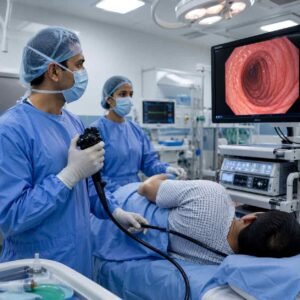
A colonoscopy is considered the gold standard for diagnosing colorectal cancer. During this procedure, a flexible tube with a camera is inserted through the rectum to examine the entire colon. Polyps or suspicious growths can be identified, tissue samples can be collected through biopsy, and small polyps can often be removed during the same procedure. This makes colonoscopy one of the most accurate methods for detecting both colorectal cancer and precancerous lesions.
5. Biopsy
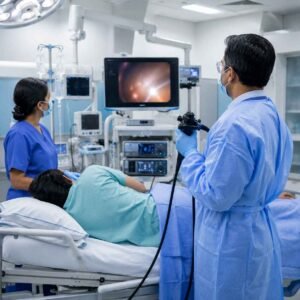
If a suspicious area is identified during a colonoscopy, a biopsy is performed. A small tissue sample is collected and examined under a microscope by a pathologist, making biopsy the only test that can definitively confirm whether cancer cells are present.
6. CT Scan
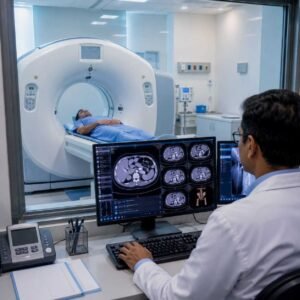
A Computed Tomography (CT) scan provides detailed images of the abdomen and pelvis, helping doctors determine the size of the tumor, evaluate nearby lymph nodes, check whether cancer has spread to other organs, and plan surgical treatment.
7. MRI Scan
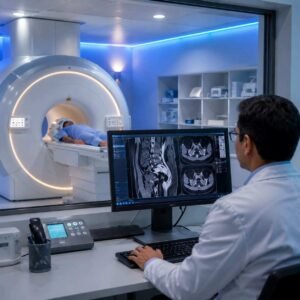
An MRI scan is particularly useful for patients with rectal cancer, helping evaluate tumor depth, involvement of nearby tissues, and the relationship to surrounding structures. MRI plays an important role in surgical planning and in determining whether radiation therapy is needed before surgery.
8. PET-CT Scan
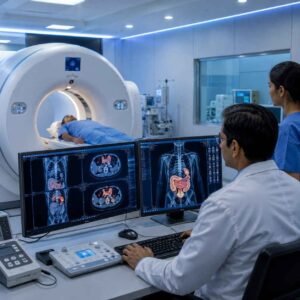
A PET-CT scan may be recommended in selected cases to detect cancer spread to distant organs such as the liver, lungs, bones, or lymph nodes. This advanced imaging test is especially valuable when planning treatment for advanced colorectal cancer.

Understanding Cancer Staging
Once colorectal cancer is confirmed, additional tests help determine its stage, which guides the treatment plan.
| Stage | Description |
| Stage 0 | Cancer is limited to the inner lining of the colon or rectum. |
| Stage I | Cancer has grown into the intestinal wall but has not spread. |
| Stage II | Cancer has spread through the bowel wall but not to lymph nodes. |
| Stage III | Cancer has spread to nearby lymph nodes. |
| Stage IV | Cancer has spread to distant organs such as the liver or lungs. |
Accurate staging helps determine the most effective treatment plan for each patient.
What Happens After Diagnosis?
Once the diagnosis and stage are confirmed, a multidisciplinary team develops a personalized treatment strategy. Depending on the stage and type of cancer, treatment may include surgery, chemotherapy, radiation therapy (particularly for rectal cancer), targeted therapy, or immunotherapy in selected patients. For many patients with early-stage colorectal cancer, surgery remains the primary and potentially curative treatment.
Frequently Asked Questions
1. What is the most accurate test for colorectal cancer?
A colonoscopy is considered the most accurate test because it allows doctors to examine the entire colon, remove polyps, and perform biopsies during the same procedure.
2. Does every patient with blood in the stool have colorectal cancer?
No, Blood in the stool can also result from hemorrhoids, anal fissures, or other digestive conditions. However, persistent rectal bleeding should always be evaluated by a doctor.
3. Is a biopsy painful?
No, during a colonoscopy, biopsies are usually taken while the patient is sedated, so most people do not experience pain.
4. At what age should colorectal cancer screening begin?
For people at average risk, screening generally begins at 45 years of age. Individuals with a family history or other risk factors may need to start earlier.
5. When should I consult a Surgical Oncologist?
You should consult a Surgical Oncologist if a biopsy confirms colorectal cancer, imaging reveals a suspicious tumor, or surgery is being considered as part of your treatment plan.
Early Detection Today Can Change Your Story Tomorrow
Colorectal cancer is highly treatable when detected early. Understanding the diagnostic process, from blood tests and stool tests to colonoscopy, biopsy, and imaging, can help patients seek timely medical care and begin treatment at the right stage.
If you have persistent bowel symptoms, rectal bleeding, or a family history of colorectal cancer, don’t delay seeking medical advice. Dr. Sanket Shah, an experienced Surgical Oncologist in Mumbai, provides comprehensive evaluation, accurate diagnosis, and personalized treatment for colorectal cancer. Early detection can make a significant difference in treatment success and long-term health.
Concerned About Your Symptoms? Get Screened Today
Don’t wait for symptoms to worsen. Early diagnosis is the single biggest factor in successful colorectal cancer treatment. Book an appointment with Dr. Sanket Shah for an expert evaluation and personalized care.
[Book an Appointment] – [Call Now]