A cancer diagnosis does not automatically mean chemotherapy is needed. Some people are treated with surgery or radiation, while others need drug treatment or a combination of approaches. The plan depends on the cancer and the person receiving treatment, not simply on the word “cancer”.
When Can Surgery Be Enough Without Chemotherapy?
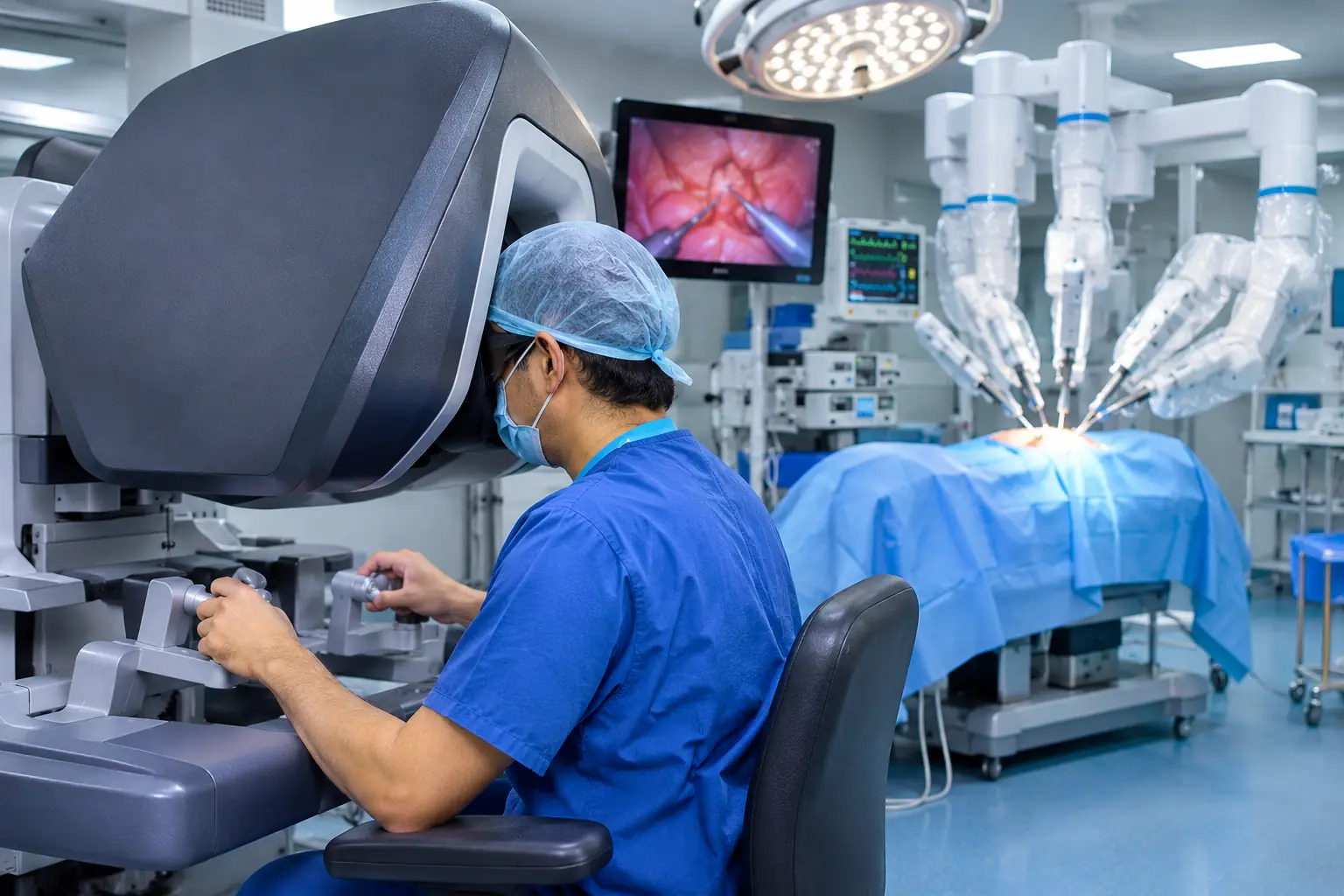
In this video, Dr. Sanket Shah explains how chemotherapy acts against cancer cells but can also affect healthy cells that grow quickly. He discusses its role across many cancer types, while noting that it is not required in every case: for some selected early-stage cancers, surgery to remove the tumour may be sufficient.
He mentions early-stage mouth cancer as an example, while emphasising that treatment depends on individual findings.
An example is not a rule for every patient. For some early oral cancers, surgery may be the main treatment, but the decision depends on the tumour site, stage, and pathology findings. Read more about treatment options for oral cancer.
What Does Chemotherapy Do?
Chemotherapy uses medicines to destroy cancer cells or slow their growth. Many drugs also affect healthy cells that divide quickly, including cells in hair roots, the mouth, digestive tract, and bone marrow. This is why side effects can occur.
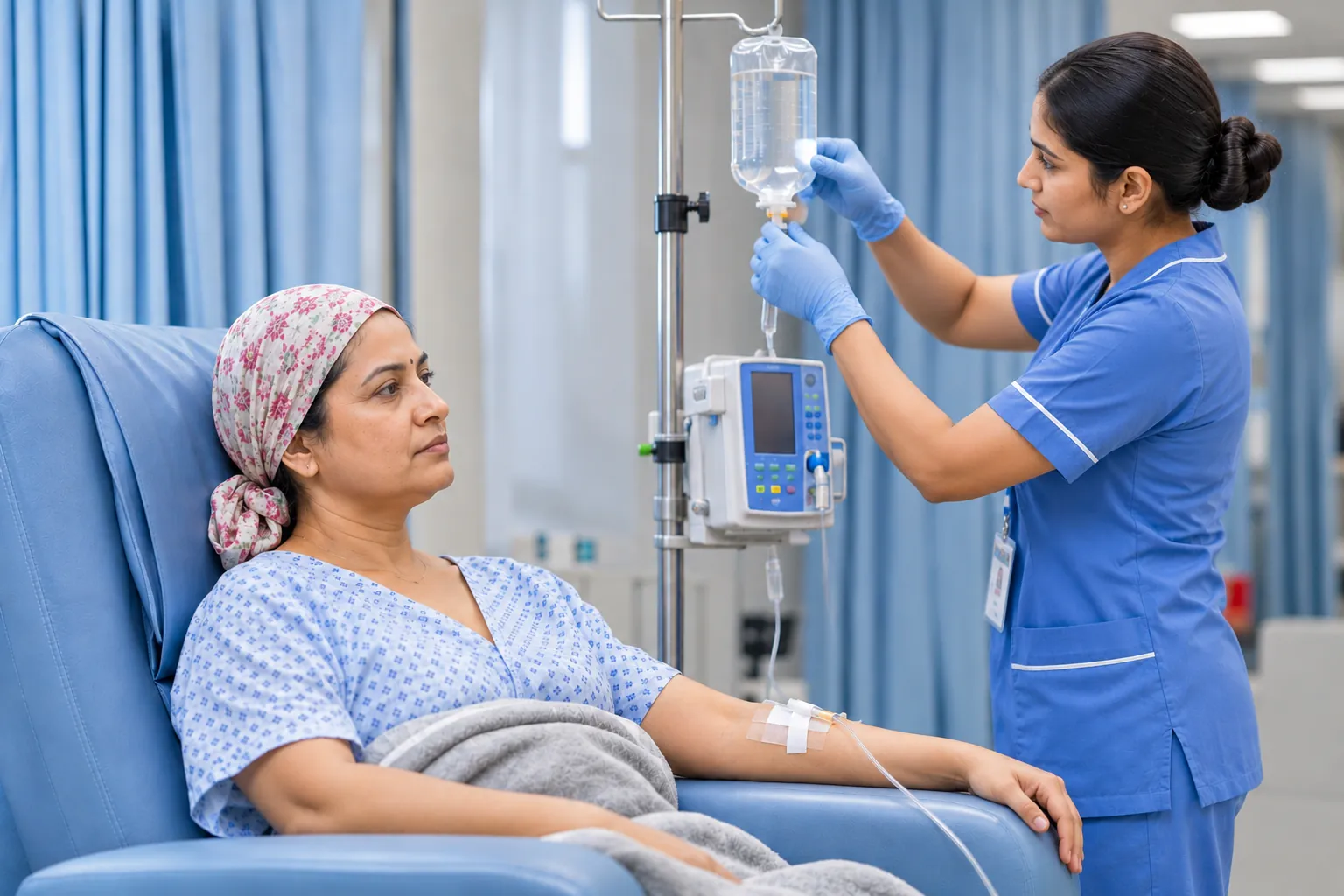
It is often given through a vein, though some medicines are taken by mouth. The schedule depends on the drugs, cancer type, and treatment goal. Its goal may be to cure cancer, reduce recurrence risk, shrink a tumour before another treatment, or control disease and symptoms. Ask what it is expected to achieve in your case.
When Might Chemotherapy Be Recommended?
Chemotherapy may be used alone or with other treatments. It may be recommended:
- Before surgery (neoadjuvant chemotherapy) – To shrink a tumour, treat cancer cells beyond the visible tumour, or make an operation more manageable in selected cases.
- After surgery (adjuvant chemotherapy) – To lower the risk of recurrence by treating cancer cells that may remain even when the visible tumour has been removed.
- With radiation therapy – In certain cancers, chemotherapy can make cancer cells more sensitive to radiation.
- For cancer that has spread or returned – It may help control disease, slow its growth or relieve symptoms, depending on the cancer and the treatment goal.
Whether any of these approaches is appropriate depends on the diagnosis. The stage of cancer and how far it has spread are important parts of that assessment.
What If Chemotherapy Is Not Needed?
Not needing chemotherapy does not mean that something has been missed. Some localised cancers may be treated with surgery or radiotherapy. Hormone therapy is used for certain breast or prostate cancers, while targeted therapy or immunotherapy may be options when specific cancer features support their use.
These treatments are not interchangeable or suitable for every cancer. A targeted drug, for example, requires a relevant target in the cancer. In some cases, follow-up after the main treatment is recommended without additional medicines. Observation and regular follow-up are active parts of care: they allow the team to monitor for signs of recurrence and respond if new findings appear.
Why Two People With the Same Cancer May Get Different Treatments
Two people with cancer in the same organ may receive different recommendations. Treatment planning considers more than location, including:
- The cancer’s exact type, grade, and stage.
- Whether lymph nodes or distant organs are involved.
- Biomarker or molecular test results, where relevant.
- The person’s age, general health and other medical conditions.
- The likely benefits, risks and goals of each treatment option.
Surgery can provide further information. The final pathology report may clarify tumour size, margins and lymph node involvement, helping the team decide whether additional treatment is likely to help. This is why operability and treatment options are assessed in the context of the whole clinical picture.
Understanding Chemotherapy Side Effects
Side effects vary by drug, dose, and individual response. They can include hair loss, nausea, vomiting, appetite changes, diarrhoea, mouth sores, fatigue, and low blood counts. Not everyone experiences the same effects, and not every chemotherapy drug causes hair loss.
Supportive medicines can help prevent or manage some side effects. Good nutrition and hydration support general well-being but cannot guarantee that side effects will be avoided. Report symptoms to the care team rather than changing or stopping treatment independently.
Discussing Your Treatment Plan With Dr. Sanket Shah
- What is the goal of the recommended treatment: cure, reducing recurrence risk, or controlling the disease?
- What findings make chemotherapy appropriate or unnecessary in this case?
- How will the team assess whether the treatment is working, and what side effects should be reported?