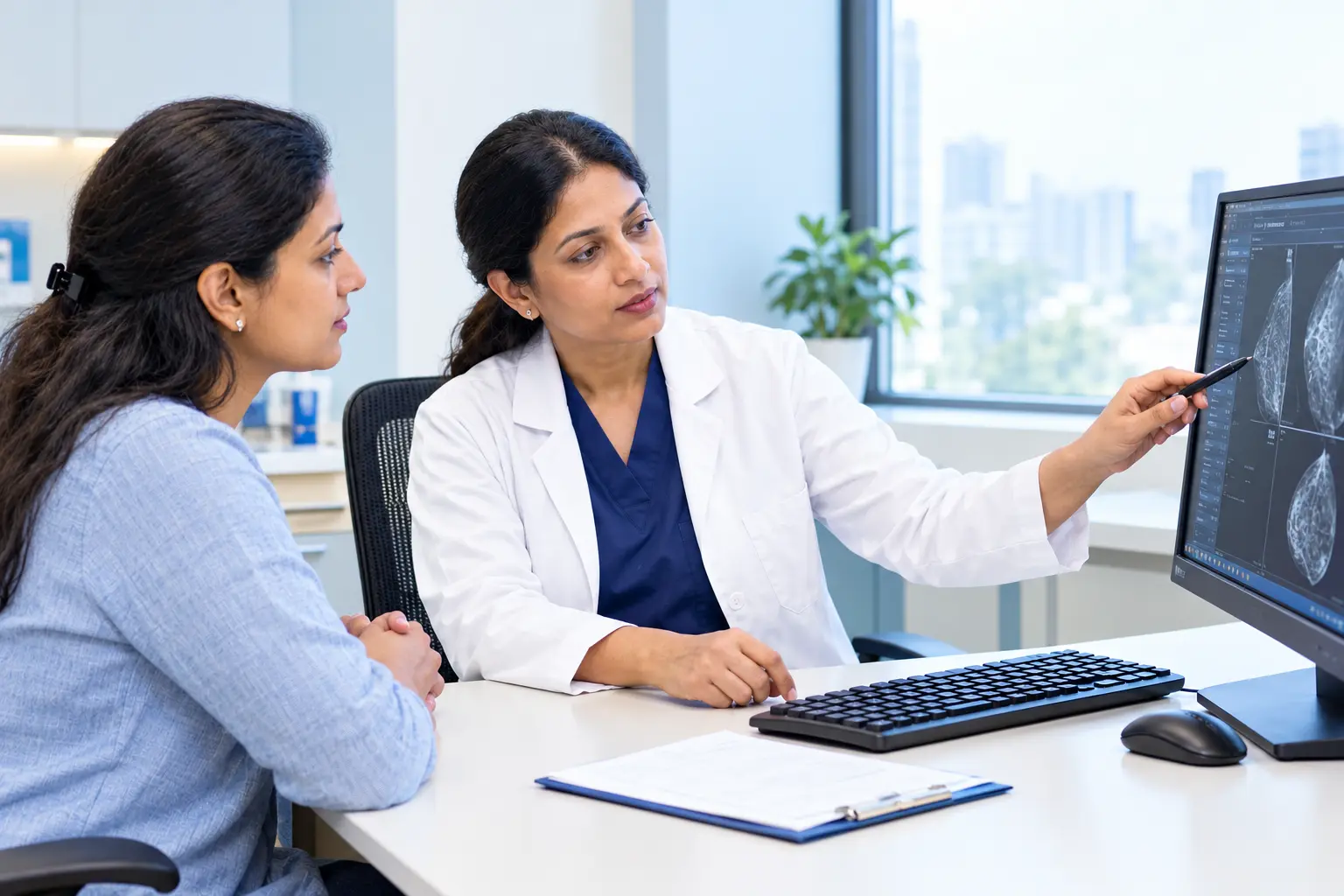

Breast conservation surgery removes the cancer while keeping most of the breast. Because the operation is smaller than a mastectomy, many women expect recovery to be quick and uneventful. Often, it is relatively smooth, but it still takes a toll on your body, and knowing what’s normal makes the weeks afterwards much less stressful.
Here is what recovery usually looks like, and where to ask for help.
The First Few Weeks
Most women go home within a day or two, with a dressing over the wound and sometimes a small drain if lymph nodes were checked or removed. Many return to light daily activities within one to two weeks. If the operation was larger, such as an oncoplastic procedure or one involving several lymph nodes, it can take a few weeks or more before you feel like yourself.
A few practical points:
- Keep the dressing in place until your follow-up visit unless your surgeon says otherwise.
- A soft, supportive bra, such as a sports bra, is usually more comfortable than your regular ones.
- Avoid heavy lifting and strenuous exercise until your surgeon clears you.
- Rest properly. Tiredness after surgery is normal and doesn’t mean something is wrong.
Pain: What's Expected and What Isn't
Some pain or tenderness in the breast, armpit, or shoulder is common while the wound heals, and it usually settles within a few weeks. Pain medicine prescribed by your surgeon should keep it manageable. Taking it as directed, rather than waiting until the pain is severe, generally makes the early days easier.
For some women, discomfort lingers longer. Nerves get bruised or stretched during surgery, and scar tissue forms as the area heals, which can cause tingling, burning, or an aching tightness for months. Fewer people have pain that continues for a year or more. If that happens, mention it. It is a recognised problem, and there are ways to treat it.
Scarring and How the Breast Looks
The scar from breast conservation is usually small, but it can change over time. It often looks red and raised for the first few months, then gradually softens and fades. You may also notice a slight dent or size difference where tissue was removed, depending on where the tumour was and how much was taken out.
Once your surgeon says the wound has healed, a plain moisturiser can keep the skin supple, and gentle massage can help soften the scar. Ask when it’s safe to begin, because starting too early can irritate the wound.
What Nobody Warns You About
Here’s what patients rarely hear beforehand: recovery isn’t only about pain and wound care. It’s full of odd sensations that can be alarming if you don’t expect them.
- Numbness or tingling in the breast or underarm can last a long time, and sometimes it doesn’t fully go away.
- The area around the scar may feel firm or thickened for months. That’s usually healing tissue, not a returning lump, but any new lump should still be checked.
- Sharp, brief “zinging” pains can appear weeks after surgery, which surprises many women because they thought they were past the worst.
- Your arm may feel stiff or heavy, and some women avoid using it out of caution. That instinct backfires, since gentle movement is what prevents stiffness.
None of these means you’ve done something wrong. Your body is repairing itself, and nerves and tissue simply take longer than the skin does.
Exercises, Fluid and Warning Signs
Gentle arm and shoulder exercises usually start the day after surgery, following the instructions your team gives you. They keep your shoulder moving and lower the risk of stiffness, and staying active also helps reduce the chance of arm swelling later.
Sometimes fluid collects under the wound, which is called a seroma. It’s common, and if it becomes uncomfortable, it can be drained in the clinic.
Contact your surgical team promptly if you notice:
- Fever, spreading redness, warmth, or discharge from the wound
- Swelling that increases quickly, or a tense, painful breast
- Swelling, heaviness, or tightness in your arm
- Pain that is getting worse instead of better
Radiation and the Weeks After
Most women who have breast conservation also need radiation to the breast, usually starting a few weeks after surgery once the wound has healed. The skin may turn pink or dry, and tiredness is common. Your radiation team will explain how to care for the skin during treatment, so follow their advice over general tips.
Emotional recovery deserves the same attention. Feeling anxious, tearful, or unsettled about the change in your body is normal, and talking to your surgeon, a nurse, or a counsellor helps.
We're With You Through Recovery
Healing after surgery is easier when someone has told you what to expect. As a surgical oncology practice in Mumbai with over 14 years of experience in breast cancer surgery, we make follow-up care part of the plan from the start, not an afterthought.
If you’re preparing for surgery or recovering and have concerns about pain, scarring, or what’s normal, book a consultation with us at our Dadar or Matunga clinic. For breast cancer treatment in Mumbai that includes proper aftercare, we’re glad to answer your questions.