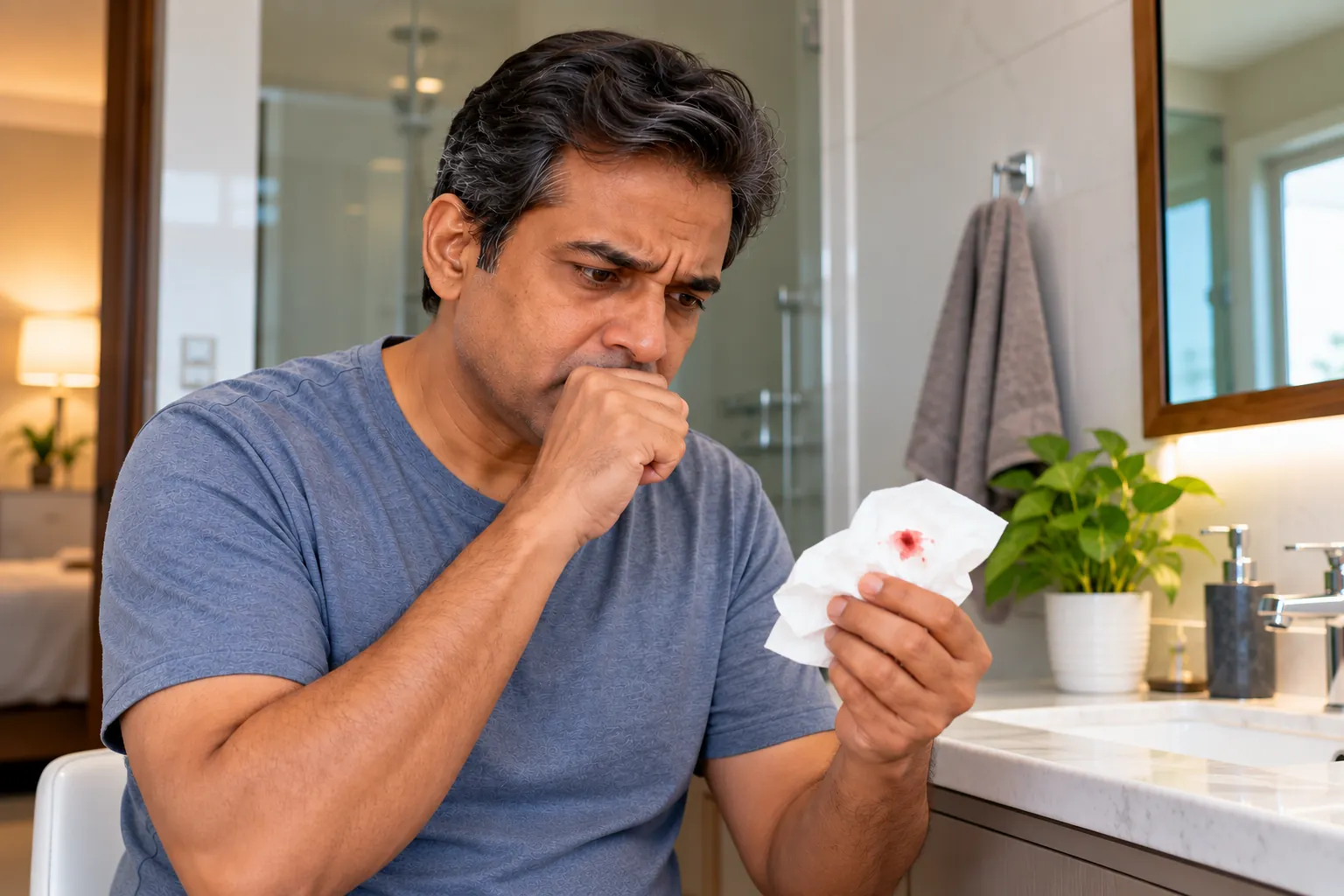

Finishing cancer treatment feels like it should be the end of the story. For a lot of people, though, it’s really the start of a different kind of watchfulness, one where every ache or odd symptom raises a quiet question: is this something, or is this nothing?
That worry is normal. It also helps to know what actually points toward recurrence versus what’s just your body settling back into itself after chemo, radiation, or surgery. Here’s what’s genuinely worth paying
General Signs That Shouldn't Be Ignored
Recurrence symptoms often look a lot like the ones that led to the original diagnosis, though not always in the same spot. Some of the most common ones include:
- Unexplained weight loss, even when your appetite hasn’t changed
- Persistent fatigue that doesn’t improve with rest
- New lumps, swelling, or thickened areas anywhere on the body
- Pain that’s new, doesn’t go away, or keeps getting worse
- Fevers or night sweats with no obvious cause
- Changes in bowel or bladder habits that stick around
- A cough or hoarseness that won’t clear up after a few weeks
None of these automatically mean the cancer is back. Plenty of them have far less serious explanations. But they’re the kind of symptoms that deserve a phone call to your doctor rather than a wait-and-see approach.
Symptoms Tend to Follow the Original Cancer
Recurrence often shows up near where the cancer started, or in an organ it’s known to spread to. Breast cancer, for instance, may return as a new lump near the surgical site or as bone pain if it has spread further. Colorectal cancer recurrence can bring back changes in bowel habits or blood in the stool. Lung cancer may reappear as a persistent cough, chest pain, or breathlessness that wasn’t there before.
This is one reason follow-up appointments matter even years after treatment ends. Your oncologist knows the specific pattern your particular cancer tends to follow, and can watch for it far more precisely than any general checklist.
The Part Most Articles Skip: When Worry Becomes the Symptom
Here’s something rarely mentioned in these discussions: the anxiety itself.
Survivors often describe a state doctors sometimes call “scan anxiety.” It’s the habit of noticing every twinge, every headache, every bit of tiredness and immediately wondering if it’s the cancer coming back. This isn’t overreacting. It’s a completely understandable response to having lived through something that upended your body once already.
The tricky part is that this anxiety can produce physical symptoms of its own: trouble sleeping, muscle tension, stomach upset, even chest tightness. So the real question often isn’t just “could this be a recurrence,” it’s also “could this be stress showing up in my body.” Both deserve attention, just in different ways. If a symptom is new, persistent, or doesn’t match anything you can otherwise explain, it’s worth getting checked rather than trying to talk yourself out of the worry, or into it.
When to Actually See Your Doctor
A fair rule of thumb: if a symptom lasts more than two to three weeks, doesn’t improve, or feels different from your usual post-treatment aches, it’s worth a conversation with your care team. You don’t need to wait for your next scheduled scan.
Depending on what you describe, your doctor may recommend:
- Blood tests to check tumor markers
- Imaging such as a CT, MRI, or PET scan
- A physical exam focused on the original tumor site
- A biopsy, if imaging shows something that needs a closer look
Catching a recurrence early, when it does happen, generally opens up more treatment options and better outcomes. That’s really the point of follow-up care, not to keep you anxious, but to catch things while they’re still manageable.
A Quieter Kind of Vigilance
Living well after cancer isn’t about scanning your body for danger every single day. It’s about knowing your own baseline well enough to notice when something genuinely shifts, and having a doctor you trust enough to call without feeling like you’re making a fuss over nothing.
That’s really the goal of survivorship care: not fear, but familiarity. The more you understand your own recovery, the easier it becomes to tell a bad week apart from an actual warning sign.
If you’ve finished treatment and something feels off, or it’s simply been a while since your last follow-up, it’s worth getting it looked at properly. Dr. Sanket Shah, a Mumbai-based surgical oncologist with years of experience treating breast and gastrointestinal cancers, works closely with patients through exactly this stage, the follow-up years where careful monitoring matters just as much as the original treatment did. If you have questions about a symptom, a scan result, or what your follow-up schedule should look like, reaching out for a consultation is a reasonable next step, not an overreaction.