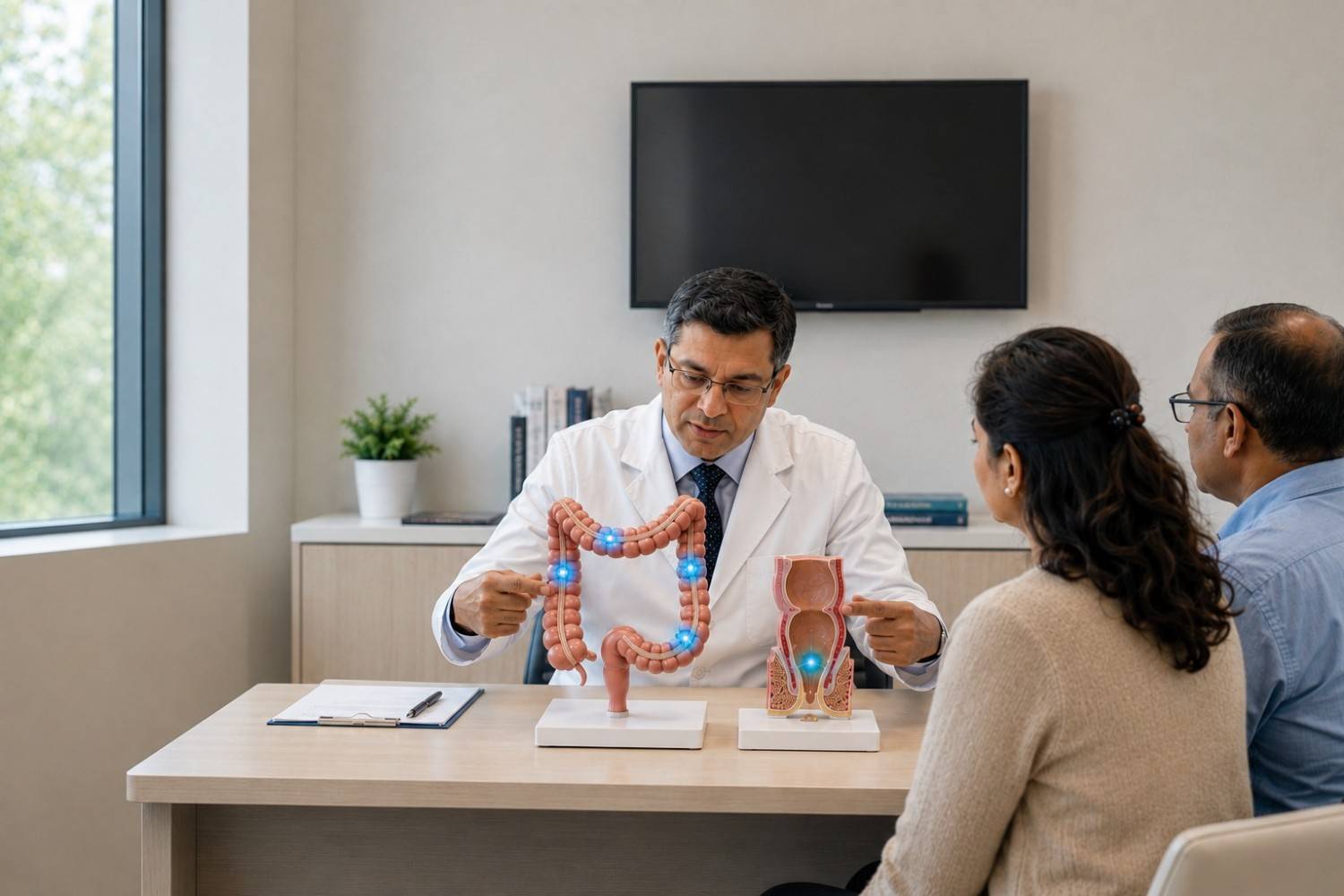

Lung cancer is one of the most common and serious cancers worldwide. It often develops silently, with symptoms appearing only when the disease has progressed. Many people mistake the early signs for common respiratory infections, allergies, or the effects of smoking, leading to delayed diagnosis and treatment.
Recognizing the warning signs early and consulting a specialist can make a significant difference in treatment outcomes. Dr. Sanket Shah, an experienced Surgical Oncologist in Mumbai, specializes in the diagnosis and surgical treatment of various cancers, including lung cancer. Timely evaluation and appropriate treatment can improve survival rates and quality of life.
What Is Lung Cancer?
Lung cancer occurs when abnormal cells in the lungs grow uncontrollably, forming a tumor. These cancer cells can interfere with normal lung function and may spread to nearby lymph nodes or other organs if left untreated.
There are two main types of lung cancer:
- Non-Small Cell Lung Cancer (NSCLC): The most common type, accounting for about 85% of lung cancer cases.
- Small Cell Lung Cancer (SCLC): A more aggressive form that grows and spreads rapidly.
Early diagnosis is essential because treatment is generally more effective when cancer is detected in its initial stages.
Early Lung Cancer Symptoms
In its early stages, lung cancer may not cause noticeable symptoms. However, some people may experience subtle signs that should not be ignored.
Common early symptoms include:
- Persistent cough lasting more than three weeks
- Chest discomfort or mild chest pain
- Shortness of breath during routine activities
- Fatigue without an obvious cause
- Unexplained weight loss
- Loss of appetite
- Recurrent respiratory infections such as bronchitis or pneumonia
- Wheezing
These symptoms can also occur due to non-cancerous conditions, but persistent symptoms warrant medical evaluation.
Advanced Symptoms of Lung Cancer
As lung cancer progresses, symptoms often become more noticeable and severe.
These may include:
- Coughing up blood (Hemoptysis)
- Persistent chest pain that worsens with deep breathing or coughing
- Hoarseness or changes in voice
- Difficulty swallowing
- Severe shortness of breath
- Swelling of the face or neck
- Bone pain
- Persistent headaches if cancer spreads to the brain
- Unexplained weakness and fatigue
If you experience any of these symptoms, seek immediate medical attention.
Who Is at Higher Risk of Lung Cancer?
Although smoking is the leading cause of lung cancer, it is not the only risk factor. Even people who have never smoked can develop lung cancer.
Common risk factors include:
- Smoking cigarettes, cigars, or bidis
- Exposure to secondhand smoke
- Air pollution
- Exposure to asbestos, radon gas, or industrial chemicals
- Family history of lung cancer
- Previous radiation therapy to the chest
- Chronic lung diseases such as COPD
Understanding your risk factors can help you make informed decisions about screening and lifestyle changes.
Lung Cancer in Non-Smokers
A common misconception is that only smokers develop lung cancer. In reality, a significant number of lung cancer cases occur in people who have never smoked. Possible causes include genetic mutations, environmental pollution, passive smoking, occupational exposure to harmful chemicals, and radon gas exposure.
Therefore, persistent respiratory symptoms should never be ignored, regardless of your smoking history.
When Should You See a Surgical Oncologist?
While a general physician or pulmonologist may perform the initial evaluation, a Surgical Oncologist plays a crucial role when lung cancer is suspected or confirmed. You should consult a Surgical Oncologist if you have a persistent cough lasting more than three weeks, blood in your cough, unexplained weight loss, chest pain that does not improve, recurrent lung infections, a suspicious lung nodule detected on a chest X-ray or CT scan, or a confirmed diagnosis of early-stage lung cancer requiring surgery.
Early consultation helps determine whether surgery is the best treatment option and allows timely planning of comprehensive cancer care.
Frequently Asked Questions
1. What is the first symptom of lung cancer?
A persistent cough lasting more than three weeks is often one of the earliest warning signs, although symptoms vary from person to person.
2. Can non-smokers develop lung cancer?
Yes. Air pollution, passive smoking, genetic factors, and occupational exposures can also contribute to lung cancer.
3. Is coughing blood always a sign of lung cancer?
Not always, but coughing up blood is a serious symptom that requires immediate medical evaluation.
4. Can lung cancer be cured?
When detected early, lung cancer can often be treated successfully with surgery, sometimes combined with chemotherapy or radiation therapy.
5. When should I consult a Surgical Oncologist?
You should consult a Surgical Oncologist if imaging tests reveal a suspicious lung mass, biopsy confirms lung cancer, or surgery is being considered as part of your treatment plan.
Conclusion
Lung cancer often begins with subtle symptoms that are easy to overlook. Persistent cough, chest pain, shortness of breath, coughing up blood, or unexplained weight loss should never be ignored. Seeking medical attention early allows for accurate diagnosis and timely treatment, improving the chances of successful recovery.
If you or a loved one are experiencing persistent respiratory symptoms or have been diagnosed with lung cancer, consult Dr. Sanket Shah, an experienced Surgical Oncologist in Mumbai, for a comprehensive evaluation and personalized treatment plan. Early diagnosis and expert surgical care can make a significant difference in achieving the best possible outcomes.