When breast cancer is diagnosed, one of the questions the treatment team needs to answer is whether cancer has spread to the lymph nodes in the armpit (axilla). Sentinel lymph node biopsy (SLNB) checks the first lymph nodes that drain fluid from the breast. It can provide important staging information while usually requiring the removal of fewer nodes than a full axillary lymph node dissection.
SLNB may form part of an individual treatment plan. The wider approach to breast cancer diagnosis and treatment depends on the cancer type, stage, and test findings.
Dr. Sanket Shah Explains Sentinel Lymph Node Biopsy
In the video, Dr. Sanket Shah explains how sentinel lymph node biopsy differs from removing a larger group of underarm lymph nodes. In selected patients, checking the first draining nodes may help avoid more extensive surgery. Removing fewer nodes can lower the risk of lymphoedema, or fluid build-up that causes arm swelling, although it cannot eliminate that risk.
What Is a Sentinel Lymph Node Biopsy?
The sentinel lymph node is the first node, or group of nodes, to which fluid from the breast is likely to drain. If cancer spreads through the lymphatic system, these nodes may be among the first to contain cancer cells.
During SLNB, the surgeon identifies and removes these nodes. A pathologist examines the tissue under a microscope for cancer cells. The result helps the team understand whether cancer has reached nearby lymph nodes and whether this affects further treatment.
SLNB is often considered when underarm nodes do not appear involved on examination or imaging, but it is not necessary for everyone. Guidelines allow it to be omitted in carefully selected cases when the result is unlikely to change treatment. This decision depends on specific clinical criteria. Read about guideline updates on sentinel lymph node biopsy.
How Is the Procedure Performed?
SLNB is often done during breast-conserving surgery or mastectomy. The steps usually include:
- Mapping – A radioactive tracer, blue dye, or both may be injected near the tumour or around the nipple. The material travels through the lymphatic channels towards the sentinel nodes.
- Locating the nodes – The surgeon uses a handheld detector to find the radioactive signal and/or identifies nodes stained by the dye.
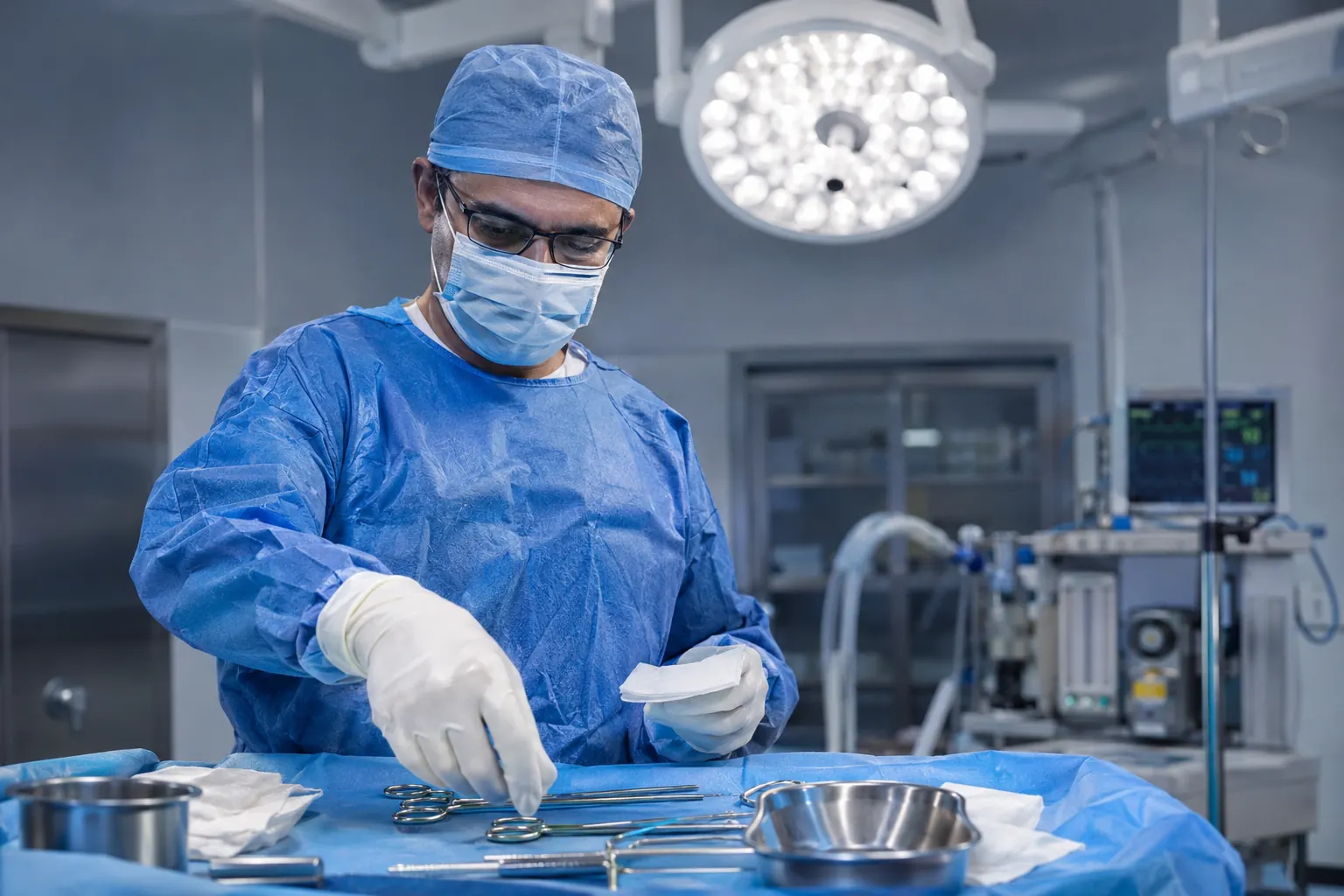
- Removing the nodes – Through a small incision, usually in the armpit, the surgeon removes the identified sentinel nodes.
- Pathology examination – The nodes are sent to a laboratory, where a pathologist checks them for cancer cells.
It focuses on the first draining nodes, not every lymph node in the armpit.
What Are the Benefits?
For suitable patients, SLNB provides information about lymph node involvement with less extensive surgery than axillary lymph node dissection.
Its potential benefits include:
- More accurate staging – It helps establish whether cancer has spread to nearby lymph nodes.
- Less tissue removal – Usually, fewer lymph nodes are taken out than during a full axillary dissection.
- Lower risk of arm-related problems – The chances of lymphoedema, numbness, pain, and shoulder stiffness are generally lower than after more extensive lymph node surgery.
- Treatment planning – The findings help the team decide whether any additional treatment or lymph node surgery should be considered.
SLNB is still an operation and can cause side effects.
What Does a Negative or Positive Result Mean?
A negative result means cancer cells were not found in the nodes examined. Further underarm surgery may not be needed.
A positive result means cancer cells were found in one or more nodes. It does not automatically mean all remaining nodes must be removed. The next step depends on the number of affected nodes, amount of cancer, type of breast surgery, radiotherapy plan and other tumour factors.
Recovery and Possible Side Effects
Recovery is often quicker than after full axillary dissection, but also depends on the breast operation performed. Temporary pain, bruising, tenderness, swelling or numbness may occur. Other risks include fluid collection (seroma), infection, bleeding, or a reaction to blue dye.
Follow instructions about wound care, activity and arm exercises. Contact the team about fever, increasing redness, worsening pain, or wound discharge. Report persistent arm or hand heaviness, tightness or swelling, which may indicate lymphoedema.
For more on healing after a combined procedure, see the guide to recovery after breast conservation surgery.
Discussing Your Breast Cancer Surgery Options
The decision to perform SLNB depends on each diagnosis. Before surgery, ask why it is recommended, what the results could mean, and whether they may change the treatment plan.
Dr. Sanket Shah, a surgical oncologist in Mumbai, evaluates breast cancer surgery and lymph node assessment according to each patient’s reports and clinical findings. Details about breast cancer consultations with Dr. Sanket Shah are available on the specialist page.
Discussing the Options With Your Cancer Care Team
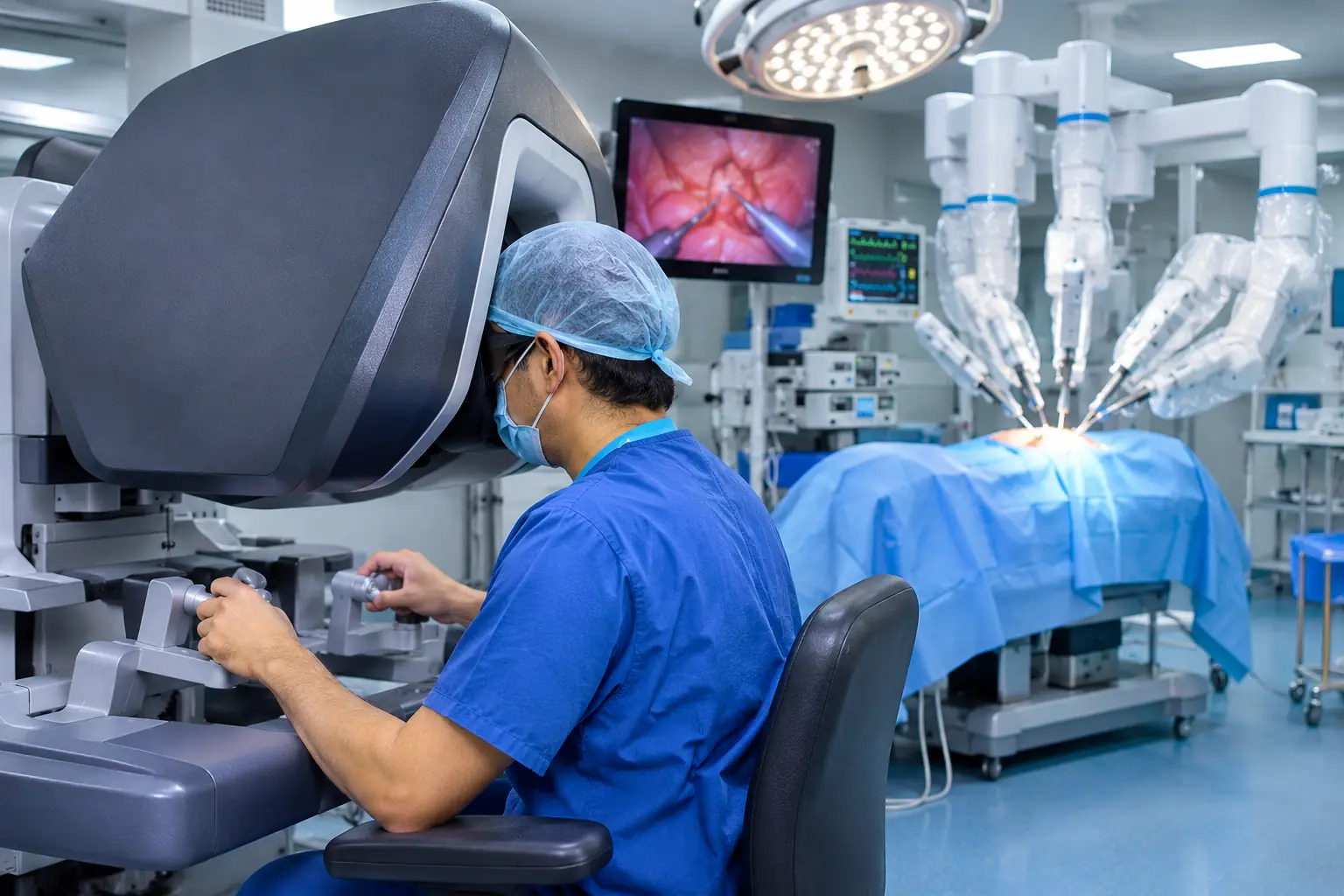
The right approach depends on the tumour’s size and location, nearby organs, planned surgery, the patient’s health, and the team’s experience. Biopsy reports, scans, and the overall treatment plan help determine whether robotic-assisted, laparoscopic, or open surgery is appropriate. Dr. Sanket Shah’s video explains the key differences; the treating surgical oncology team should make the final decision.
For more on the healing process after an operation, read Life After Cancer Surgery: Recovery and Follow-Up Care.