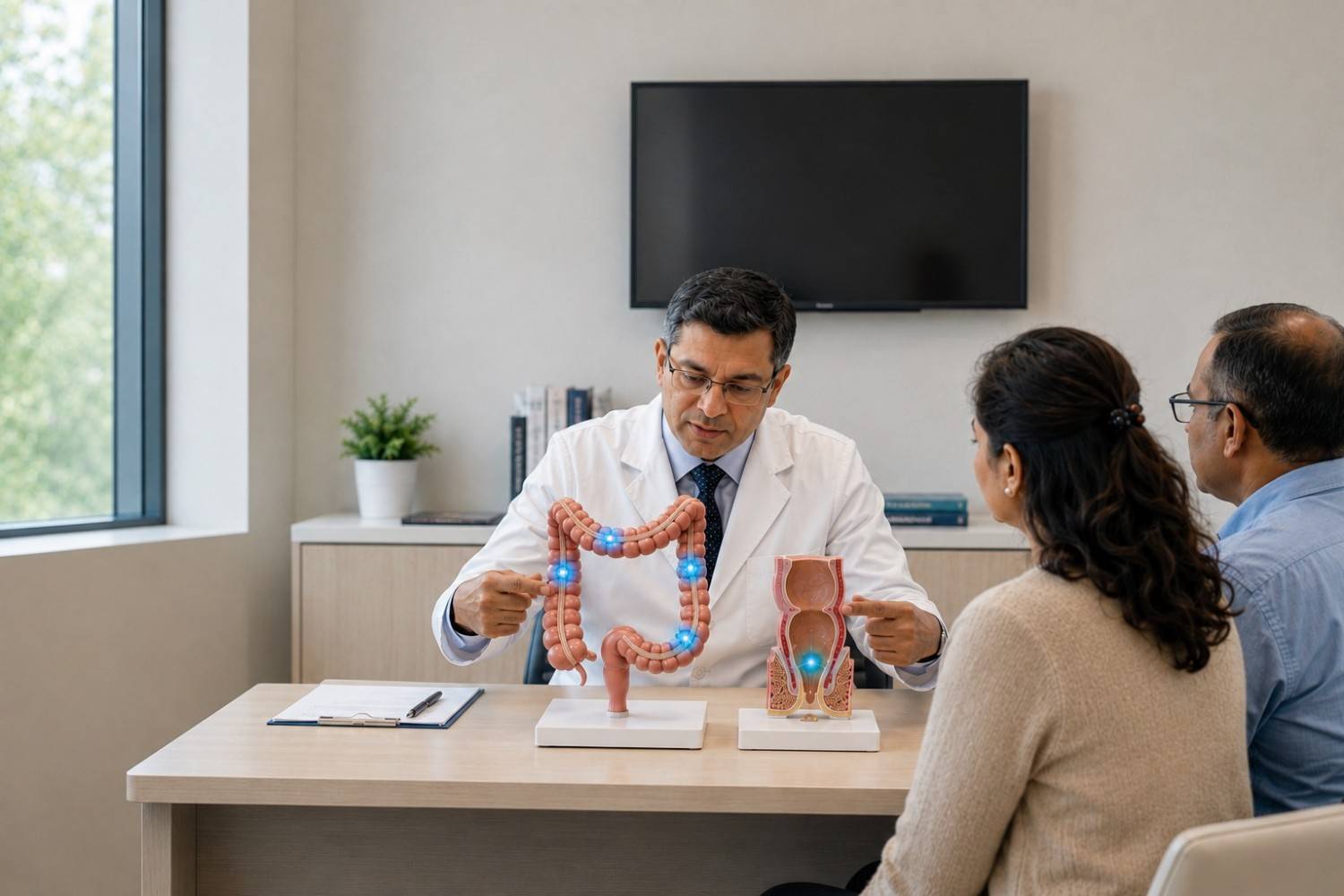

Stomach cancer, also known as gastric cancer, is a serious condition that develops when abnormal cells grow uncontrollably in the lining of the stomach. While it often develops gradually over several years, early symptoms are usually mild and can easily be mistaken for common digestive problems like acidity, indigestion, or gastritis. This is why many people delay seeking medical attention until the disease has progressed.
Recognizing the early warning signs and consulting an experienced Surgical Oncologist at the right time can significantly improve treatment outcomes. Dr. Sanket Shah, a Surgical Oncologist in Mumbai, specializes in the diagnosis and surgical management of gastrointestinal cancers, helping patients receive timely and personalized cancer care.
What Is Stomach Cancer?
Stomach cancer begins when healthy cells in the stomach lining undergo genetic changes, causing them to multiply uncontrollably and form a tumor. If left untreated, the cancer may spread to nearby lymph nodes or other organs such as the liver and lungs.
Although stomach cancer is more common in people over the age of 50, it can occur at any age, particularly in individuals with certain risk factors.
Common Symptoms of Stomach Cancer
Many stomach cancer symptoms resemble common digestive disorders, making them easy to ignore. If these symptoms persist for more than two weeks or worsen over time, it is important to seek medical evaluation.
Some common symptoms include:
- Persistent indigestion or heartburn
- Upper abdominal pain or discomfort
- Feeling full after eating small amounts of food
- Loss of appetite
- Unexplained weight loss
- Frequent nausea or vomiting
- Difficulty swallowing, especially if the cancer is located near the upper stomach
- Constant bloating after meals
- Fatigue and weakness
- Blood in vomit or black, tarry stools, which may indicate internal bleeding
While these symptoms do not always indicate stomach cancer, persistent or worsening symptoms should never be ignored.
When Should You See a Surgical Oncologist?
Many people initially visit a general physician or gastroenterologist for digestive complaints. However, if cancer is suspected or confirmed, consulting a Surgical Oncologist becomes essential.
You should seek immediate medical advice if you experience:
- Persistent stomach pain lasting several weeks
- Unexplained weight loss
- Difficulty swallowing
- Vomiting blood
- Blood in stools
- Continuous vomiting
- Loss of appetite without an obvious reason
- A confirmed stomach mass or suspicious findings on endoscopy or imaging tests
Early consultation allows for accurate diagnosis and timely treatment before the disease advances.
How Is Stomach Cancer Diagnosed?
If stomach cancer is suspected, your doctor may recommend several diagnostic tests to confirm the diagnosis and determine the stage of the disease.
Common investigations include:
Diagnostic Test | Purpose |
Upper GI Endoscopy | Examines the stomach lining and detects abnormal growths |
Biopsy | Confirms the presence of cancer cells |
CT Scan | Determines whether the cancer has spread |
PET-CT Scan | Evaluates cancer spread throughout the body |
Blood Tests | Assess overall health and detect anemia |
Endoscopic Ultrasound (EUS) | Evaluates tumor depth and nearby lymph nodes |
Based on these results, an individualized treatment plan is prepared.
Treatment Options for Stomach Cancer
Treatment depends on the stage, location, and overall health of the patient.
Common treatment options include:
Surgery
Surgery remains one of the most effective treatments for localized stomach cancer. Depending on the extent of the disease, surgery may involve partial gastrectomy (removal of part of the stomach), total gastrectomy (removal of the entire stomach), lymph node removal, or minimally invasive or laparoscopic surgery in suitable patients.
Chemotherapy
Chemotherapy may be recommended before surgery to shrink the tumor or after surgery to destroy remaining cancer cells.
Targeted Therapy
Certain advanced stomach cancers respond to medications that specifically target cancer-related proteins.
Immunotherapy
Immunotherapy may be considered in selected patients based on specific tumor characteristics.
The treatment approach is often planned by a multidisciplinary cancer team to achieve the best possible outcome.
Accurate staging helps determine the most effective treatment plan for each patient.
Why Early Detection Matters?
When stomach cancer is diagnosed in its early stages, treatment is generally more effective, and survival rates are significantly higher.
Early diagnosis offers several advantages, including better chances of complete tumor removal, less extensive surgery, reduced risk of cancer spread, faster recovery, improved quality of life, and better long-term survival.
Ignoring symptoms may allow the disease to progress to advanced stages, where treatment becomes more complex.
Frequently Asked Questions
1. Is stomach cancer common?
Stomach cancer is less common than some other cancers but remains a significant health concern, particularly in older adults.
2. Can acidity be a symptom of stomach cancer?
Occasional acidity is common, but persistent acidity accompanied by weight loss, loss of appetite, or stomach pain should be evaluated by a doctor.
3. What is the first symptom of stomach cancer?
Early symptoms often include indigestion, bloating, feeling full quickly, and mild abdominal discomfort.
4. Can stomach cancer be cured?
Yes. If diagnosed early, stomach cancer can often be treated successfully with surgery, along with chemotherapy or other treatments when required.
5. Who is at higher risk of developing stomach cancer?
Individuals over 50 years, smokers, people with H. pylori infection, obesity, or a family history of stomach cancer are generally at a higher risk.
Conclusion
Stomach cancer often develops silently, with symptoms that resemble common digestive problems. Persistent indigestion, abdominal pain, unexplained weight loss, or difficulty swallowing should never be ignored. Early evaluation by a qualified specialist can make a significant difference in diagnosis and treatment outcomes.
If you or a loved one are experiencing persistent stomach-related symptoms, consult Dr. Sanket Shah, an experienced Surgical Oncologist in Mumbai, for a comprehensive evaluation and personalized treatment plan. Early diagnosis and timely intervention can improve the chances of successful treatment and long-term recovery.